
Archive: Original Research Archive: April 18, 2024 (Post-ACP Lifeline Transition Cycle) | Last Comprehensive Audit: November 2026 | Written by Claire Holloway, MPA and Reviewed by Marcus Bennett, JD
Yes, a free tablet with ebt is possible in 2026, but it is not automatic. SNAP qualifies you for Lifeline, which pays for phone or internet service. The tablet itself usually comes from a carrier promotion or a low cost nonprofit program, and it often needs a small co pay.
135% Lifeline and 200% Nonprofit Income and Co-Pay Calculator
Enter your household size and yearly income. This runs in your browser and stores nothing.
| Household size | 135% Lifeline ceiling, per year | 200% nonprofit ceiling, per year |
|---|---|---|
| 1 | $21,546 | $31,920 |
| 2 | $29,214 | $43,280 |
| 3 | $36,882 | $54,640 |
| 4 | $44,550 | $66,000 |
| 5 | $52,218 | $77,360 |
| 6 | $59,886 | $88,720 |
| 7 | $67,554 | $100,080 |
| 8 | $75,222 | $111,440 |
What a Free Tablet with EBT Really Means in 2026
Most people hear the phrase and picture a brand new tablet handed over at no cost, with no bill after it. The real picture is narrower, and it helps to know it before you spend time on an application. Lifeline is a federal program that lowers the cost of phone or internet service. It does not buy a tablet for you. A tablet can still come with the deal, but only when a carrier is running a promotion, or when a nonprofit has low cost refurbished stock to offer.
That distinction matters because it changes what you should ask at the counter. If a store says the tablet is free, ask what service plan comes with it, what it costs each month, and how long that price lasts. Ask whether the tablet is yours to keep right away, or whether it stays tied to that carrier until you meet a use requirement. A clear answer on those points tells you more than a large sign in the window ever will.
Stock also moves fast. Carrier tablet offers rotate weekly, and a model that was available on Monday can be gone by Friday. A store in one town may have tablets while a store in the next town has none. That is normal for these promotions. It does not mean you did something wrong. It means you should confirm stock before you travel, and you should compare the full monthly cost, not just the price on the tablet box.
Lifeline Pays for Service, Not the Tablet Itself
Lifeline is a federal program from the Federal Communications Commission, and it is run by the Universal Service Administrative Company, known as USAC. The program gives a monthly discount of up to 9.25 dollars on phone or internet service. On qualifying Tribal lands, that discount rises to up to 34.25 dollars a month. The discount applies to service, and it follows the household, not each person in the home. That limit is firm for every household.
One rule shapes every decision here. Only one Lifeline benefit is allowed per household. A household is the people who live together and share money for basic living costs, even if they are not related. If someone in your home already uses Lifeline, you cannot add a second benefit for the same address. The rules sit in Title 47 of the Code of Federal Regulations, Part 54, Subpart E, in sections 54.403, 54.409, and 54.410.
An eligible telecommunications carrier, often called an ETC provider, is the company that actually delivers your Lifeline service. USAC checks eligibility through the National Verifier, and the carrier then applies the discount to your bill. The tablet is separate. Some ETC providers run a tablet promotion for new Lifeline customers, and some do not. When they do, the tablet may need a co pay, and the terms can change without much notice.
Who Qualifies Through SNAP and EBT
SNAP is one of the clearest paths into Lifeline. If you or someone in your household receives SNAP, you meet the program based test. Your EBT card is the payment card for SNAP benefits, and it is the card many people think of first, but the benefit that opens the door is SNAP enrollment itself. People search for a free tablet with SNAP because the link feels direct, and in a practical sense it is, since SNAP participation is accepted proof for Lifeline in every state.
SNAP is not the only program that qualifies you. Medicaid also qualifies, as does Supplemental Security Income, known as SSI. Federal Public Housing Assistance qualifies, and so does Veterans Pension and Survivors Benefit. If you receive any one of these, you do not need to meet the income test as well. One qualifying program is enough, and you can use whichever proof is easiest for you to get. Keep the document that is easiest to reach.
That choice matters when your paperwork is spread across different offices. A SNAP award letter may be easier to print from your state benefits portal than a Medicaid letter from another agency. A household member can also qualify the household, in many cases, if that person lives with you and shares living costs. Check the exact household rule with the National Verifier before you apply, so you do not lose time on the wrong document.
The 135 Percent Income Path in 2026
If no one in your household receives a qualifying program, income is the other path. For Lifeline in 2026, your household income must be at or below 135 percent of the Federal Poverty Guidelines. That is a strict line, not a rough target. The National Verifier compares your income to the limit for your household size, and it uses the current year figures for the 48 states and the District of Columbia.
For 2026, the annual ceilings at 135 percent are 21,546 dollars for one person, 29,214 dollars for two people, 36,882 dollars for three people, and 44,550 dollars for four people. A five person household has a ceiling of 52,218 dollars, a six person household 59,886 dollars, a seven person household 67,554 dollars, and an eight person household 75,222 dollars. Larger households have higher ceilings, so count every person who shares your home and living costs.
Income proof usually means a recent tax return, pay stubs, a Social Security benefits statement, or a similar official record. Bring the document that shows your full household income most clearly, and make sure the name and date on it match your application. If your income sits close to the line, do not guess. Let the National Verifier make the call, because a wrong guess can delay the application by days while you gather a different document.
| Household size | 135% Lifeline ceiling, per year | 200% nonprofit ceiling, per year |
|---|---|---|
| 1 | $21,546 | $31,920 |
| 2 | $29,214 | $43,280 |
| 3 | $36,882 | $54,640 |
| 4 | $44,550 | $66,000 |
| 5 | $52,218 | $77,360 |
| 6 | $59,886 | $88,720 |
| 7 | $67,554 | $100,080 |
| 8 | $75,222 | $111,440 |
Your SNAP Award Letter and Other Proof That Works
Your SNAP award letter is often the fastest proof you can use. It should show your name, the program name, and the dates your benefits are active. A letter from the current benefit year works best. A screenshot from your state benefits portal can also work, if it shows the same details clearly. Print it or save it as a clear file, and check that no part of the text is cut off at the edge of the page.
Other proof follows the same pattern. A Medicaid card plus a letter, an SSI award letter, or a housing assistance letter can each serve as program proof, as long as the name matches the person applying and the document is current. For income proof, a tax return or three months of pay stubs is common. Keep the original document safe, and send only a copy or a clear photo when a carrier or the National Verifier asks for it.
This site will never ask you for your Social Security number, your EBT PIN, or your full date of birth. No honest application on this site needs those details from you here. The National Verifier and your carrier have their own secure process for identity checks, and you should enter sensitive details only on their official systems, never in an email, a chat message, or a form on an unrelated site.
What Carriers Actually Offer, and What the Co Pay Looks Like
Carrier tablet offers change often, and they differ by state, store, and week. Some carriers offer a low cost tablet to new Lifeline customers, some offer a tablet only with a new line of service, and some offer no tablet at all in a given month. When a tablet is offered, it is usually a basic model with enough power for video calls, school work, email, and browsing, not a top of the line device. That is still useful for many families, as long as you know what you are getting.
The co pay is the part people miss most. A tablet that is described as free in an ad may still need a one time co pay at the counter, often in the range of ten to fifty dollars, depending on the carrier and the model. That co pay is not the same as the old ACP device discount, and it is not set by Lifeline itself. Ask for the exact co pay in writing before you agree, and ask whether taxes or an activation fee are added on top of it.
Also ask about the monthly service cost after the Lifeline discount. A tablet deal can look cheap on day one and cost much more over six months if it adds a new cellular line. A fair comparison looks at the tablet co pay, the monthly plan price after the discount, the length of any contract or use requirement, and what happens if you leave early. Write those four numbers down for each offer you consider, and the best deal usually becomes clear.
Low Cost Tablet Options Beyond the Carrier Store
Nonprofit programs are a useful backup when no carrier near you has a tablet in stock. PCs for People is a 501(c)(3) nonprofit, with Employer Identification Number 26-2066045, and it offers low cost devices plus internet for 15 dollars a month. It serves households at or below 200 percent of the Federal Poverty Guidelines. That higher income line means more families qualify than under the Lifeline income test alone, so it is worth checking even if Lifeline income proof was a problem.
For 2026, the annual ceilings at 200 percent are 31,920 dollars for one person, 43,280 dollars for two people, 54,640 dollars for three people, and 66,000 dollars for four people. A five person household has a ceiling of 77,360 dollars, a six person household 88,720 dollars, a seven person household 100,080 dollars, and an eight person household 111,440 dollars. Those figures open the door for households that earn too much for Lifeline but still need a low cost device and a basic internet plan.
Two other nonprofits are worth knowing. Computers with Causes, run by the Giving Center, with Employer Identification Number 92-1162407, takes mailed in applications and reviews them within 30 days. Human-I-T offers low cost refurbished tablets, a one year hardware warranty, and internet for 14.99 dollars a month. Refurbished does not mean broken. It means the device was checked, cleaned, and tested before it was sold, and the warranty gives you a clear place to turn if it stops working.
Wi-Fi Activation, Cellular Lines, and SIM Unlock
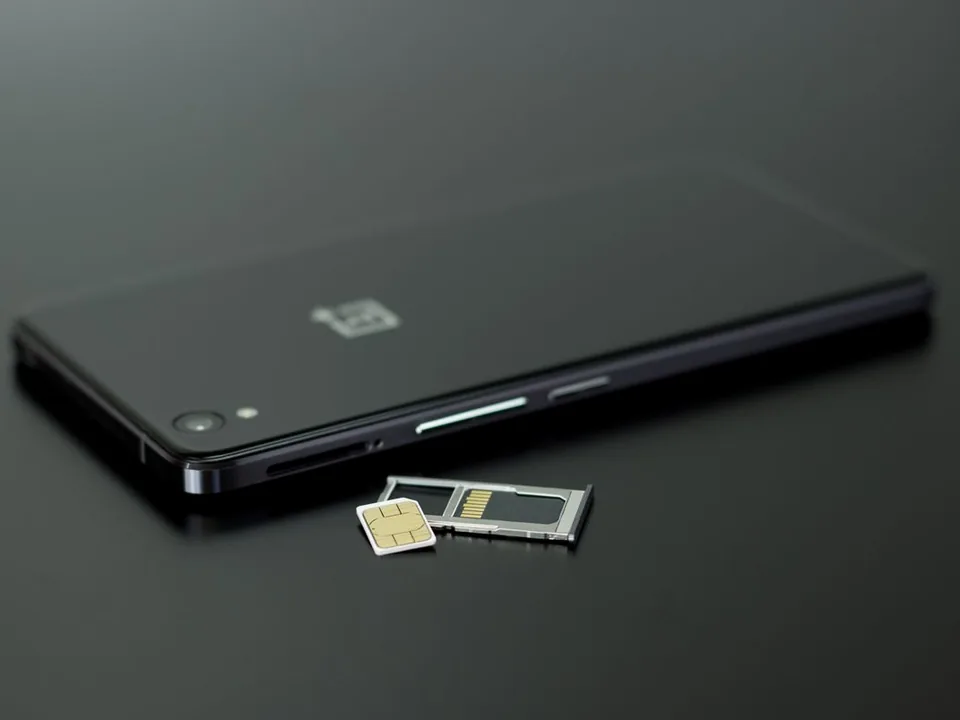
A tablet can connect in two ways, and the difference affects your bill. Wi-Fi activation means the tablet uses your home internet or a public Wi-Fi network, with no cellular line attached. Cellular line activation means the tablet has its own mobile data line, with its own monthly charge. A retail offer that sounds free can add a 20 to 25 dollar per month cellular line, and that charge can last long after you forget the day you signed up.
Before you agree to a cellular line, ask whether Wi-Fi use alone is enough for what you need. If you have home internet, or you use the tablet mostly at home, at school, or at the library, Wi-Fi may cover most of your use. If you need internet on the bus, at work, or away from Wi-Fi, a cellular line may be worth the monthly cost. The right choice depends on where you actually use the tablet, not on what the store display promises.
SIM unlock is the other term to know. A locked tablet works only on the carrier that sold it. An unlocked tablet can take a SIM from another carrier, which gives you more choice later. Ask when the tablet can be unlocked, and what you must do to earn it. Some carriers unlock after a set period of active use, and some have a use requirement first. Get that answer before you pay, because it decides whether you can switch carriers without buying a new tablet.
Scams, Switches, and Street Tents to Watch For
The Affordable Connectivity Program, known as ACP, ended on June 1, 2024, after an enrollment freeze on February 7, 2024. ACP once gave up to 30 dollars a month, up to 75 dollars on Tribal lands, plus a one time device discount of up to 100 dollars with a co pay of 10.01 to 49.99 dollars. That program is now closed. Lifeline is the federal program that remains. Any ad or person who still promises you a new ACP tablet in 2026 is using an old program name to sell a current deal, and you should treat that claim with care.
Door to door reps and street tents are a second risk. Some of them do honest sign up work, but others quietly switch your Lifeline benefit to another carrier without making that change clear. A switch means your discount moves, and your old carrier may close your service. If someone at your door or at a tent asks you to sign, ask which carrier you are joining, what happens to your current benefit, and what monthly cost you will pay after the discount. Walk away if the answers are vague or rushed.
Never hand over your EBT PIN, your full Social Security number, or your full date of birth to a rep on the street, in a store, or in a message. A real Lifeline sign up does not need your EBT PIN at all. Use the official Lifeline check site and the National Verifier by name, and type the address yourself rather than following a link from a stranger. If a deal pressures you to decide in minutes, it is not a deal that respects your time or your money.
What to Do Next, in Order
Start with eligibility, not with shopping. Confirm that you qualify through SNAP, another program, or income at or below 135 percent of the Federal Poverty Guidelines. Then gather your proof, such as your SNAP award letter, and keep a clear copy ready. After that, use the official Lifeline check site to confirm your eligibility through the National Verifier. That order saves time, because a carrier cannot apply the discount until your eligibility is confirmed.
Next, compare two or three real offers side by side. Call the carrier or visit the store, confirm the tablet is in stock, and ask for the co pay, the monthly plan price after the Lifeline discount, the length of any use requirement, and the unlock timing. Compare those same numbers for a nonprofit option, such as PCs for People or Human-I-T, if the carrier price is too high. The best choice is the one with the lowest true cost over six months, not the loudest ad.
Finally, keep your paperwork after you sign up. Save the receipt, the co pay amount, the plan name, and the date your service starts. Check your first bill line by line, and make sure the Lifeline discount is there. If the discount is missing, call the carrier first, and keep a note of the date and the name of the person you spoke with. A small record like that makes a fix much faster, and it protects you if the bill is wrong again next month.
Keep reading
Each of these pages covers one part of the same decision, and the free tablet with ebt and snap page pairs with the list below, so read the one that matches your situation next.
- free tablet with Medicaid
- free tablet with SSI
- free government tablet providers
- free tablet application
- free tablet scams
Start at the free tablet homepage any time you want the full picture again, or go straight to the free tablet application page when you are ready to check eligibility.
Questions readers ask most
Does SNAP alone qualify me for a tablet through Lifeline?
SNAP qualifies you for Lifeline service, which is the discount on your monthly phone or internet bill. The tablet itself is not part of Lifeline. It comes only when a carrier is running a tablet promotion, or when a nonprofit has low cost stock. Confirm your Lifeline eligibility first, then ask carriers about current tablet offers and any co pay.
What proof do I need if I use my SNAP award letter?
Your SNAP award letter should show your name, the SNAP program name, and the dates your benefits are active. A clear printout or a screenshot from your state benefits portal can work if nothing is cut off. Keep the original safe, and share only a copy with the National Verifier or your carrier when they ask for proof.
What is the income limit for Lifeline in 2026?
For 2026, Lifeline income must be at or below 135 percent of the Federal Poverty Guidelines. For the 48 states and the District of Columbia, the annual ceiling is 21,546 dollars for one person, 29,214 dollars for two, 36,882 dollars for three, and 44,550 dollars for four. Larger households have higher ceilings.
Is the tablet really free, or will I pay a co pay?
Many carrier tablets need a one time co pay, even when an ad uses the word free. The co pay depends on the carrier and the model, and taxes or an activation fee can be added. Always ask for the exact co pay in writing before you agree. Lifeline pays for service, not the device, so the tablet price is set by the carrier or the nonprofit seller.
Can I get a tablet if my income is above the Lifeline limit?
You may still qualify for a low cost nonprofit device. PCs for People serves households at or below 200 percent of the Federal Poverty Guidelines, with internet for 15 dollars a month. Human-I-T also offers low cost refurbished tablets and internet for 14.99 dollars a month. Those programs use a higher income line than Lifeline, so check them before you give up.
Why did ACP end, and does it still offer tablets?
The Affordable Connectivity Program ended on June 1, 2024, after an enrollment freeze on February 7, 2024. It once offered up to 30 dollars a month and a one time device discount of up to 100 dollars with a co pay. ACP is closed now, and Lifeline is the federal program that remains. No new ACP tablet is available in 2026.
What should I check before I accept a store tablet offer?
Ask whether the tablet needs Wi-Fi only or a new cellular line, and what that line costs each month. A 20 to 25 dollar monthly line can cost far more than the tablet is worth. Ask for the co pay, the monthly price after the Lifeline discount, the use requirement, and when the tablet can be SIM unlocked. Get each answer in writing.
How do I avoid losing my Lifeline benefit to another carrier?
Do not sign a form at your door or at a street tent until you know which carrier you are joining and what happens to your current benefit. Some reps switch your one per household benefit without making that clear. Use the official Lifeline check site and the National Verifier to confirm your status, and never share your EBT PIN or full Social Security number with a rep.